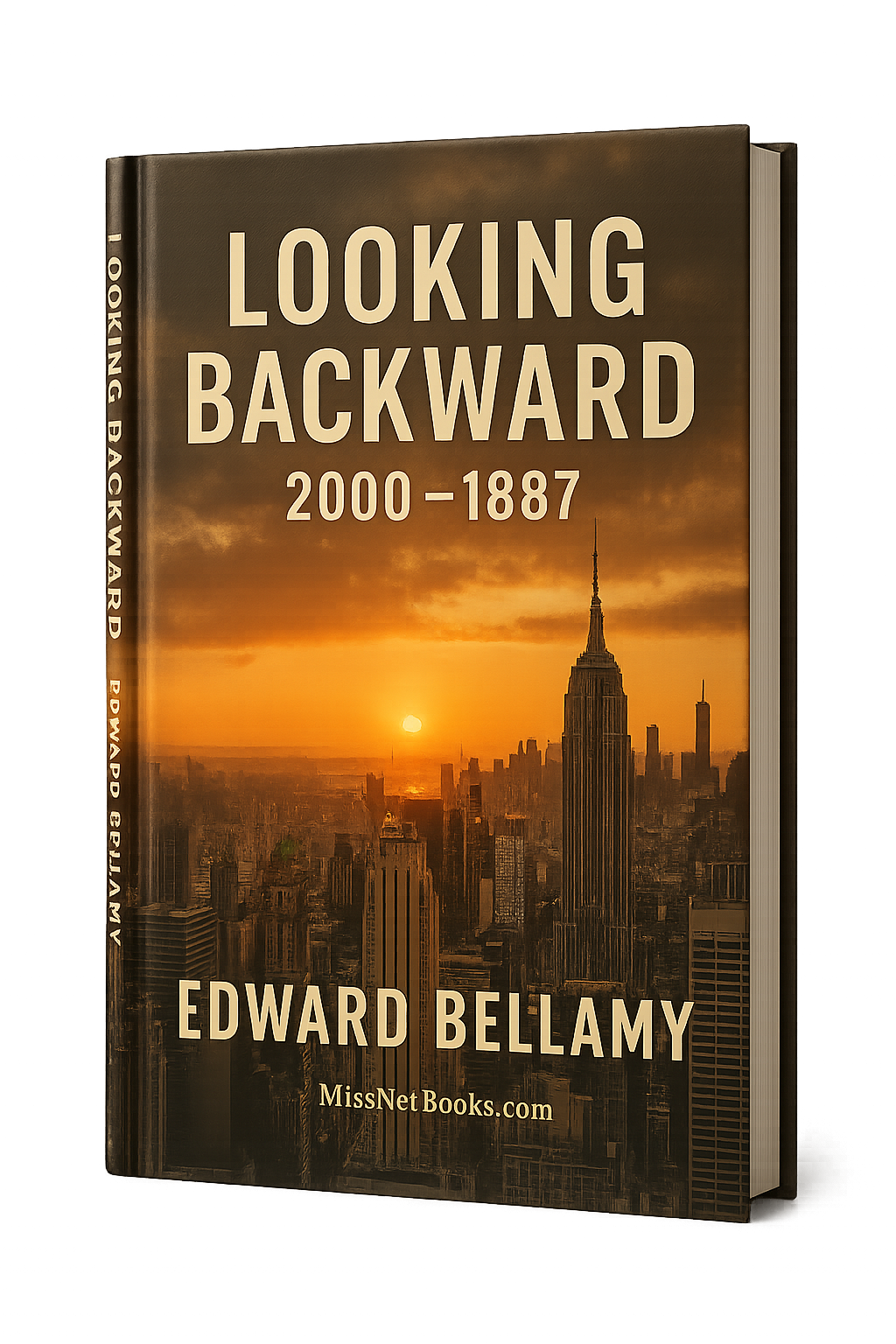
Looking Backward: 2000–1887
In the landscape of intellectual discourse, few works manage to revolutionize the way we think about society and economics as profoundly as one transformative book from the late 19th century. This text not only challenged the prevailing capitalist ethos but also ignited imaginations and inspired movements for social reform that would echo into the modern age. Its compelling vision of a utopian future called into question existing structures of power and wealth distribution, while promoting a cooperative society centered on equity and shared prosperity. The profound ideas presented within its pages are more relevant than ever, as we continue to grapple with issues of inequality and social justice. Don’t miss the opportunity to engage with one of the most influential works of all time. Buy it today and explore the roots of collective economics.
Core Ideas and Main Arguments
- Utopian Vision: The narrative presents a detailed and hopeful depiction of a future society organized around communal ownership and egalitarian principles.
- Critique of Capitalism: The book boldly confronts the flaws of capitalism, highlighting issues like class struggle, exploitation, and the inequities inherent in a profit-driven system.
- Technological Optimism: It posits that advancements in technology can lead to greater societal equality and liberate humanity from menial labor, suggesting that innovations should benefit all rather than a select few.
- Cooperative Society: A repeat emphasis on the need for cooperation over competition is articulated, proposing that mutual support and collaboration are foundational to a harmonious society.
Author’s Intentions and Context
In crafting this ambitious narrative, the author sought to envision a radically different future, one that stood in stark contrast to the social and economic realities of his time. Responding to late 19th-century industrialization and the burgeoning disparities of the Gilded Age, he aimed to present a viable alternative to capitalism that could inspire change. Culturally, the work emerged during a period rife with social unrest and the rise of labor movements, providing both a critique of contemporary struggles and a blueprint for a more equitable arrangement of power and resources.
Structure of the Book
The book is structured as a narrative that unfolds through the experiences of a protagonist who awakens in a distant, idealized future. This format allows the author to explore various themes through dialogue and scenarios:
- Introduction: Establishes the protagonist’s current struggles and perceptions.
- Time Leap: The transition to the future ignites the real exploration of societal structures.
- Societal Examination: Chapters detail the workings of the utopian society, its economy, and governance.
- Personal Reflections: The protagonist’s reflections invite readers to critically assess their values and the implications of their societal structures.
Key Takeaways
- Reimagining Profit: The notion that profit should serve the community rather than individual greed.
- Essence of Work: Work is redefined as a contribution to society, rather than mere labor for survival.
- Visionary Future: An expansive view of what humanity can achieve when freed from oppressive economic systems.
Why It’s Important to Read
This book remains a beacon of progressive thought that resonates with current dialogues surrounding economic justice, environmental sustainability, and the collective good. Its insights are invaluable for students of political science, sociology, and economics, as well as anyone seeking to understand the foundations of contemporary progressive movements. As we navigate an increasingly polarized society, this text serves as a powerful reminder of the possibilities that lie in cooperation and shared ideals.
Impactful Quotes and Analysis
-
"The greatest social problem of our time is how to turn our productive powers to the social good."
This statement encapsulates the work's central thesis— that our technological advancements must be harnessed for collective benefit, challenging the reader to consider who benefits from progress. -
"It is better to be a man among men than a king among slaves."
This poignant observation urges individuals to reconsider notions of status and success, advocating for a world where dignity stems from equality rather than hierarchy. -
"Wealth is not the result of labor, but a claim upon the labor of others."
This stark critique of the capitalist model provokes deep reflection on the nature of wealth and its implications for freedom and justice, encouraging a reassessment of societal values.
About the Author
Edward Bellamy (1850–1898) was an American author and social activist, best known for his vision of a utopian future grounded in ethical socialism. He emerged as a significant figure in the late 19th-century utopian literature movement, leaving a lasting impact through his critiques of inequality and advocacy for societal reform. Bellamy’s legacy lives on, inspiring generations of thinkers and activists who aspire to create a more just world.
This monumental work is Looking Backward: 2000–1887 by Edward Bellamy, brought to you for educational purposes by MissNotBooks.com.