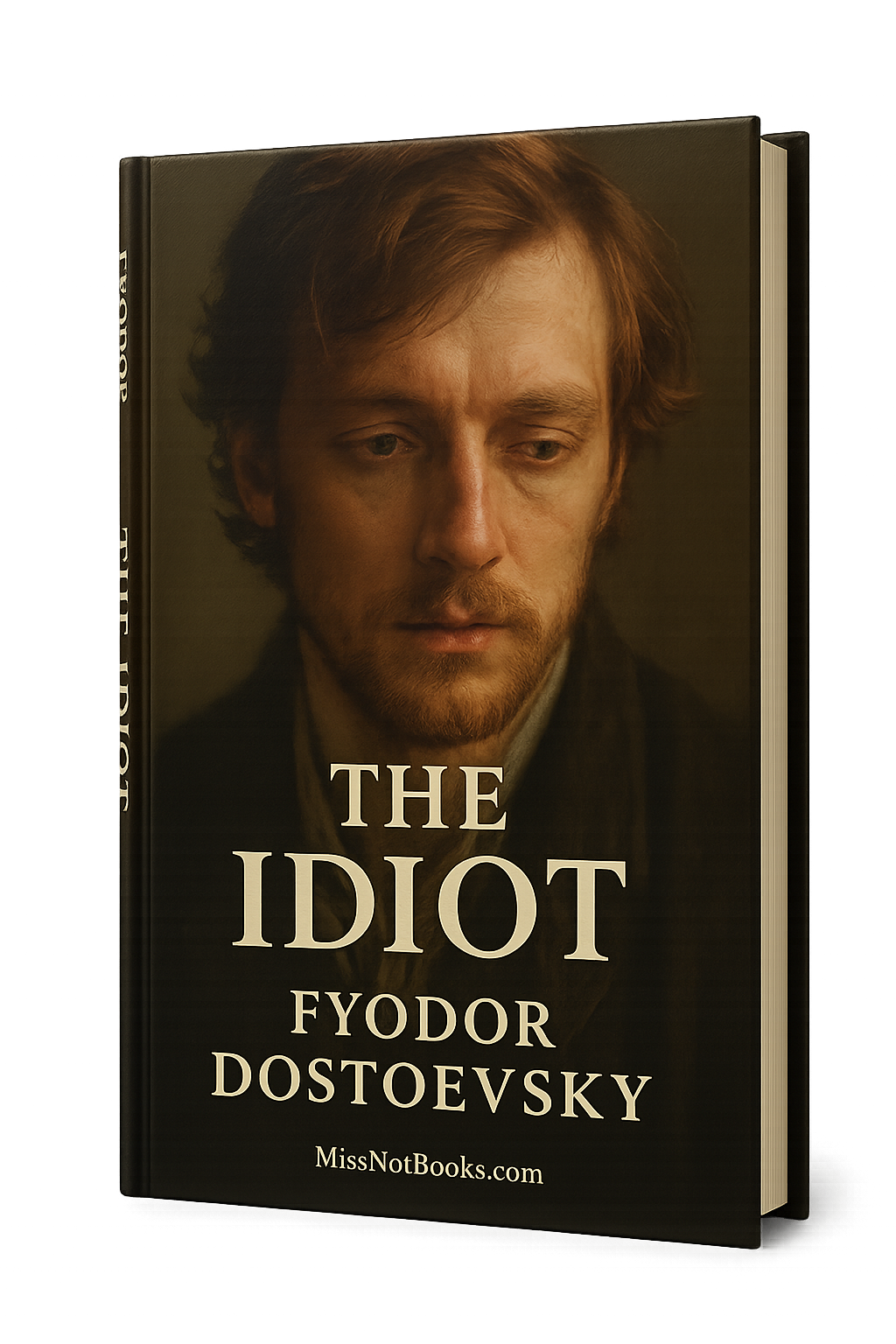
The Idiot
In a world profoundly shaped by conflict, morality, and the depths of human emotion, one pioneering work emerged that revolutionized the landscape of literature and philosophy. This book challenged prevailing notions of human goodness, the complexities of love, and the existential dilemmas faced by society. It keenly observed the interplay between innocence and societal corruption, compelling readers to reflect deeply on their beliefs about morality and the human condition. Its transformative impact resonates through time, influencing countless writers, thinkers, and artists, ultimately serving as a profound exploration of what it means to be "an idiot" in a world rife with hypocrisy.
Core Ideas and Main Arguments
- Innocence vs. Experience: Examines the tension between naïve goodness and the corrupting influences of society.
- Moral Ambiguity: Portrays the struggles of the protagonist to navigate a world defined by competing values and ethical dilemmas.
- The Search for Truth: Engages with the pursuit of authenticity in an age of deception and moral bankruptcy, showcasing the complexities of sincerity.
- Human Connection: Questions the nature and depth of human relationships, emphasizing love, compassion, and the longing for connection amidst isolation.
Author’s Intentions and Context The author aimed to illuminate the struggles of individuals within the turbulent social fabric of 19th-century Russia, a time marked by rapid change and upheaval. Responding to philosophical currents such as nihilism and the growing cynicism of human nature, the author sought to advocate for the potential goodness innate in humanity. By foregrounding the story of a character who embodies pure ideals, the narrative confronts the darker aspects of society, ultimately challenging readers to reconsider their assumptions about morality, truth, and empathy.
Structure of the Book The book is intricately organized around the life of its central character, divided into several parts that follow a chronological sequence of events:
- Introduction to the Protagonist: Establishes the central figure's innocence and idealism.
- Encounters: Each subsequent part introduces key figures that illuminate various societal flaws and moral questions.
- Crisis Points: Moments of dramatic tension which test the protagonist's ideals against harsh realities.
- Resolution: Concludes with reflections on the implications of love, forgiveness, and the enduring struggle for moral truth.
Key Takeaways
- The dichotomy between innocence and societal corruption is a timeless struggle.
- Genuine kindness and humanity often clash with the world's harsh realities.
- Understanding and compassion can pave the way for deeper connections among individuals.
- The pursuit of truth is fraught with challenges, yet is essential for personal and societal integrity.
Why It’s Important to Read This book remains crucial for anyone seeking to understand the complexities of human nature and the moral dilemmas we face in our own lives. It speaks to readers across generations and cultures, inviting them to explore profound questions of existence, ethics, and personal identity. Scholars, philosophers, and lovers of literature will find rich insights into the human condition that continue to resonate today.
Impactful Quotes and Analysis
-
“The only thing that is a joy to me is the innocence of the child.”
- This quote encapsulates the protagonist's yearning for purity and serves as a poignant reminder of the simplicity and beauty of untainted love amidst a chaotic world.
-
“A man is what he believes.”
- This powerful assertion underlines the book's exploration of personal truth and the significance of conviction in shaping one’s character and actions, emphasizing the intrinsic connection between belief and identity.
-
“To be too conscious is an illness.”
- Through this reflection, the author critiques the burdens of self-awareness in a morally ambiguous society, suggesting that profound insights into human nature can often lead to despair rather than enlightenment.
About the Author Fyodor Mikhailovich Dostoevsky (1821–1881) was a Russian novelist, philosopher, and essayist, revered for his psychological insight and exploration of existential themes. His works delve deeply into the complexities of the human spirit, morality, and faith, establishing him as a foundational figure in world literature. Dostoevsky's legacy endures, influencing modern philosophical discourse and literary traditions across the globe.
This monumental work is The Idiot by Fyodor Dostoevsky, brought to you for educational purposes by MissNotBooks.com.